

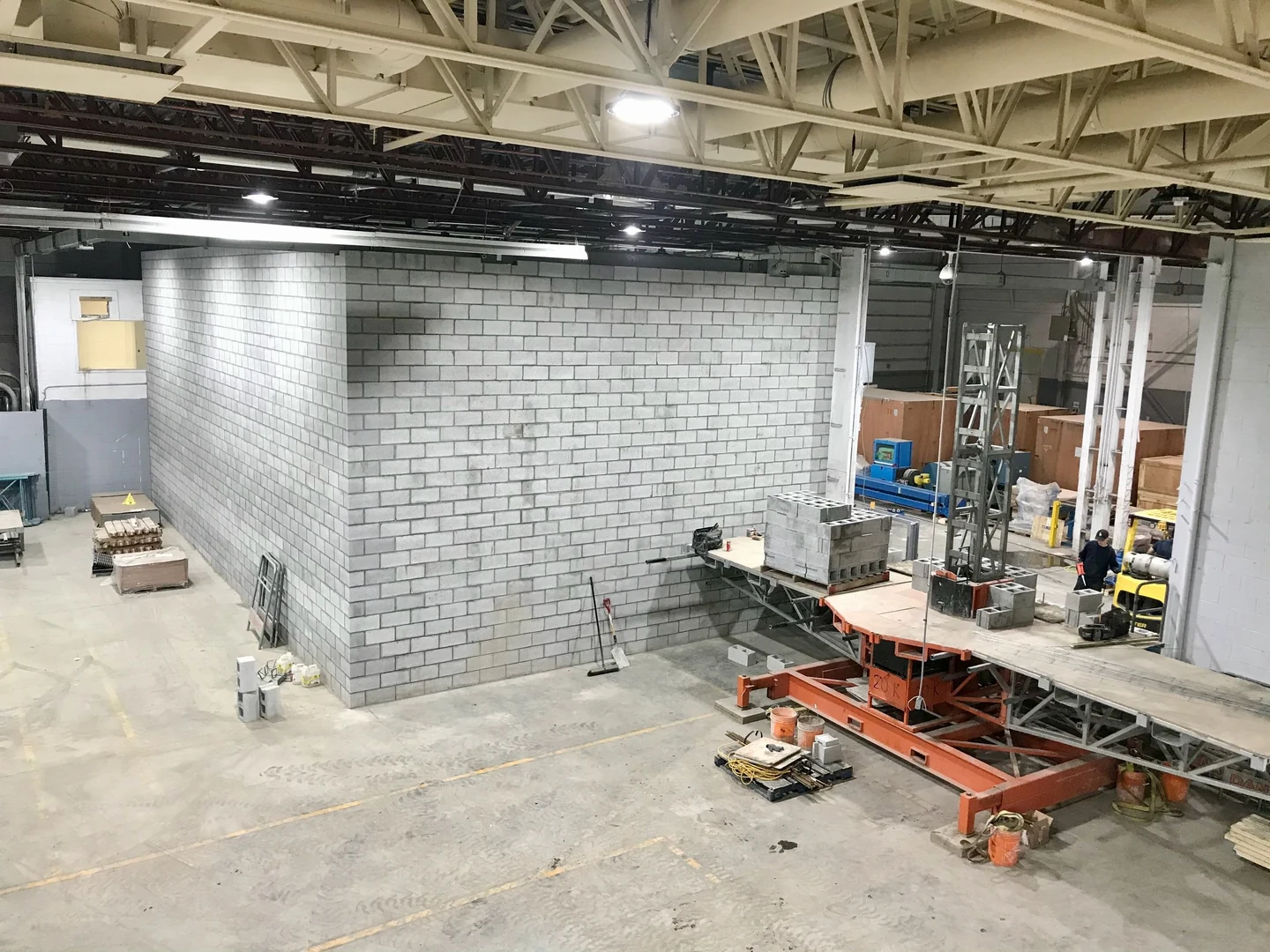
Carrying out construction in an occupied space takes careful organization and clear communication. The challenges are many: minimizing disruption, keeping people safe, meeting deadlines and maintaining quality. I’ve put together some practical tips to help you complete construction or renovation projects while activities on site continue.
Careful planning for construction in occupied spaces
The key to success is detailed planning. Before starting, assess the site, understand its constraints and anticipate what occupants will need. Here are the essential steps:
- Assess sensitive areas: identify high-traffic spaces or areas that serve a critical function.
- Set a precise schedule: plan work for the times when it will cause the least disruption.
- Coordinate with occupants: give regular updates on progress and what to expect.
- Plan alternatives: provide temporary access, clear signs and designated safety zones.
This preparation prevents surprises and makes unexpected issues easier to manage.
Effective communication during construction in occupied spaces
Communication is essential. It should be transparent, regular and tailored to the people involved. I recommend:
- Frequent progress meetings with the people responsible for the site.
- Updates for occupants distributed in writing.
- A single point of contact to answer questions and handle emergencies.
- Information signs on site to keep passersby informed.
Good communication reduces stress and helps people work together.
Managing safety and comfort
Keeping workers and occupants safe is essential. It’s also important to consider comfort and limit disruption. Here are my tips:
- Install barriers and clearly marked protection zones.
- Provide appropriate personal protective equipment.
- Limit noise and dust with suitable methods and tools.
- Organize circulation routes to prevent unsafe crossings.
These measures help keep the environment safe and considerate of everyone using it.
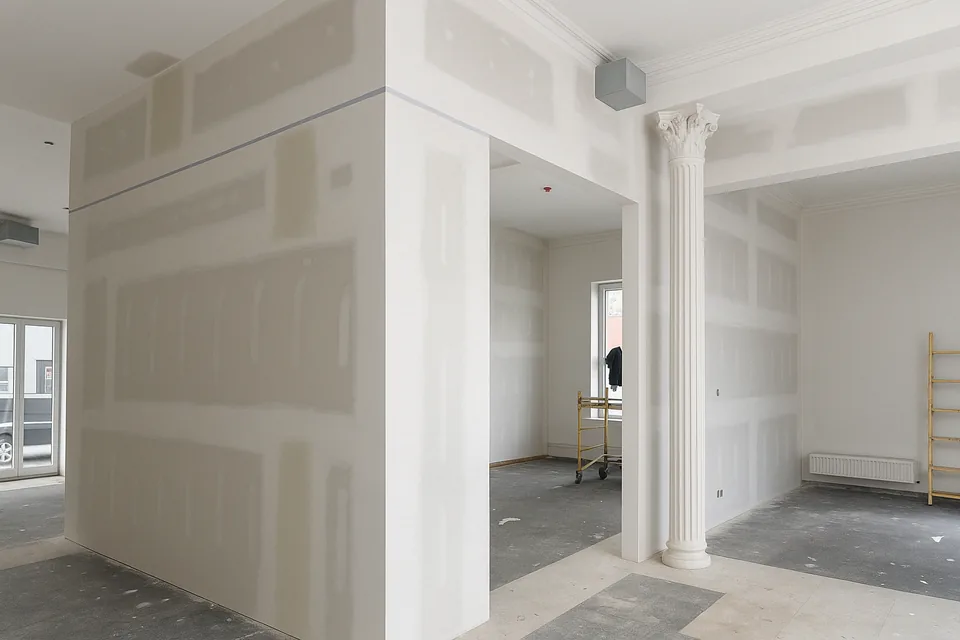
Making the best use of resources and time
A successful project in an occupied space requires making the most of people and materials. I recommend:
- Bring in an experienced team familiar with the constraints of occupied sites.
- Use efficient equipment to speed up operations.
- Schedule deliveries and work to avoid downtime.
- Track each stage closely and adjust quickly when needed.
This approach maximizes efficiency and helps keep the work on schedule.
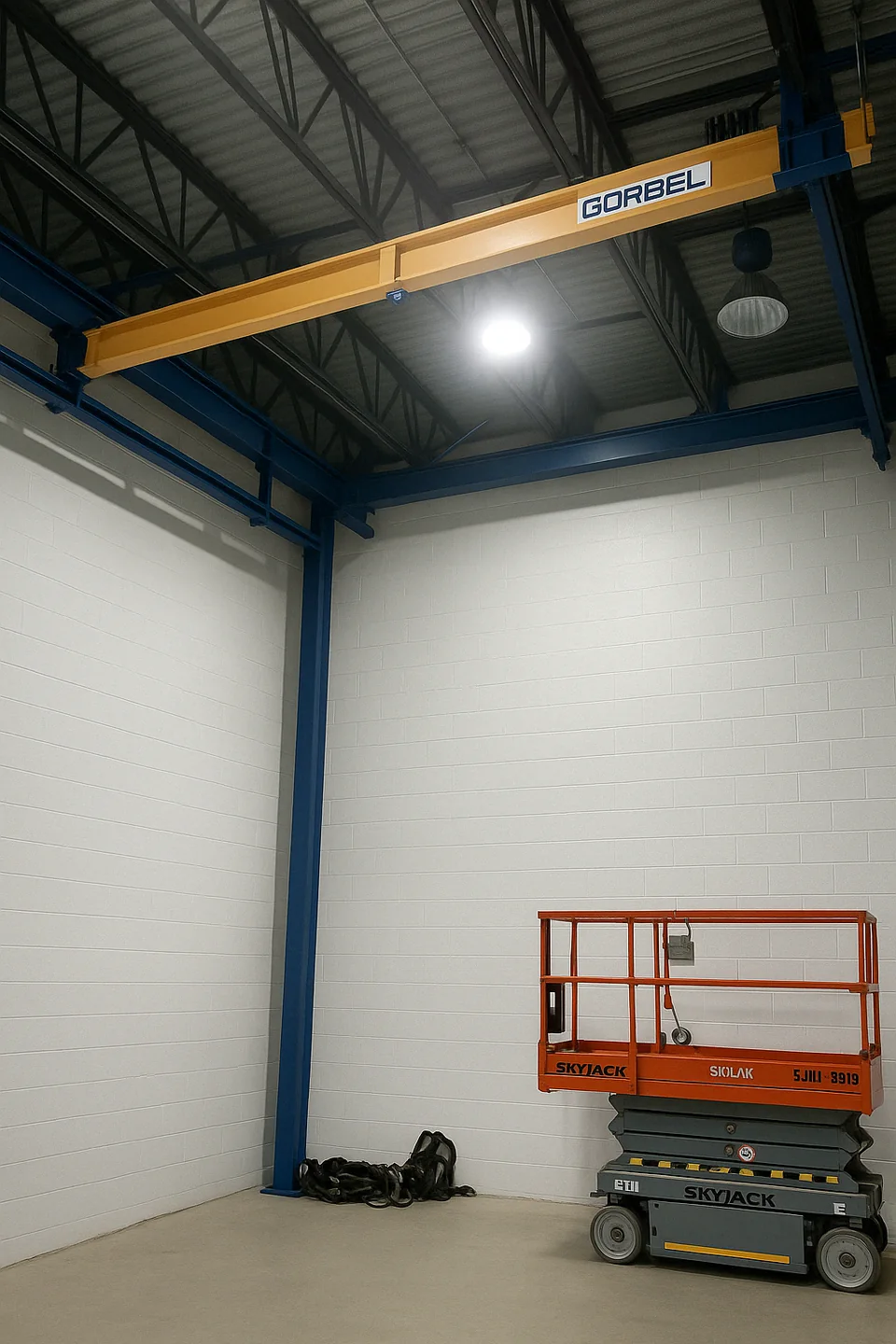
Incorporating environmentally responsible practices
Sustainable construction is a major priority. You can adopt environmentally responsible practices even in an occupied space:
- Reduce waste by sorting and recycling materials.
- Limit energy use on the job site.
- Use products with a low environmental impact.
- Raise awareness among crews about good environmental practices.
These steps add value to the project and meet today’s expectations.
Why choose an experienced partner for construction in occupied spaces
Working with a specialist helps you manage the specific constraints of the job. A qualified partner ensures:
- Planning tailored to your circumstances.
- Clear communication with everyone involved.
- Compliance with safety and quality standards.
- The use of best practices, including environmentally responsible ones.
For projects in Montréal, I recommend considering construction in occupied spaces in Montréal for professional, reliable support.
Maintaining quality despite the constraints
Even in occupied spaces, quality should always be maintained. To do that:
- Carry out regular checks at each stage.
- Train crews on the specific requirements of the site.
- Document the work so it can be traced.
- Respond quickly if a problem arises.
This attention to detail delivers a lasting result that meets expectations.
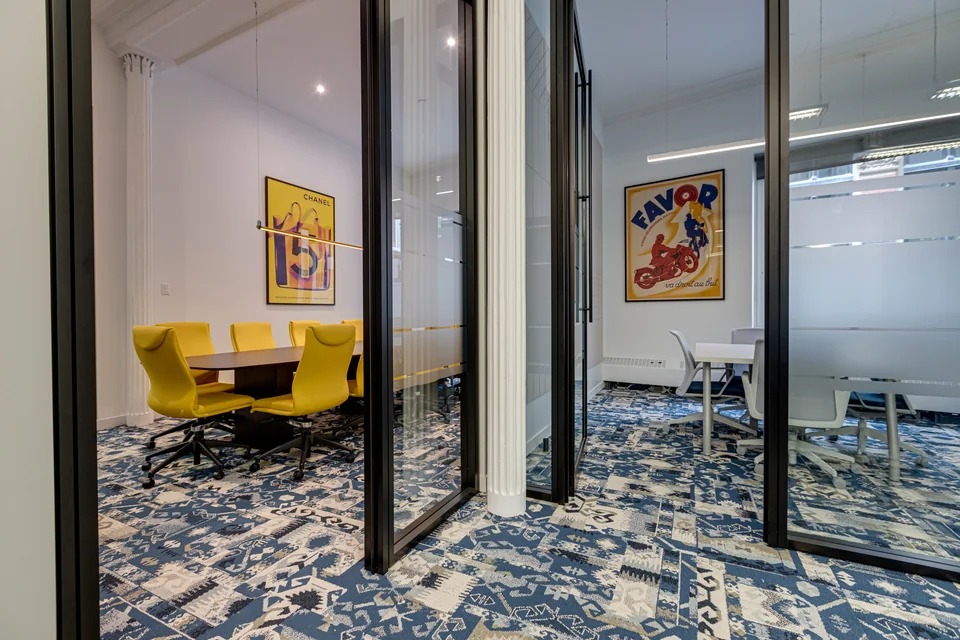
Adapting schedules and work methods
To limit the impact on daily operations, work schedules often need to change:
- Work early in the morning, late in the evening or on weekends.
- Break the work into smaller phases.
- Use quick, minimally invasive methods.
This flexibility makes it easier for construction and daily activities to continue side by side.
In summary, how to succeed with construction in occupied spaces
Construction in occupied spaces calls for a specific approach. Planning, communication, safety, efficient use of resources and environmental responsibility are the foundations of a successful project. By following these tips, you can minimize disruption and maximize quality.
I encourage you to use these practices on your next projects. A well-managed job in an occupied space respects the schedule, the budget and the expectations of occupants.
These tips will help you complete work in occupied spaces safely, efficiently and with care for the environment. Reach out to professionals who specialize in this work to help ensure your projects succeed.